Established in 1963
Australian Owned & Operated

When planning your next intake system, silicone hose is the logical choice when compared to rubber. Silicone hose provides higher heat resistance, durability and is specifically designed to handle higher pressures than comparable rubber hoses.
When you expose rubber hoses to prolonged periods of high heat, over time they start to harden and turn brittle leading to leakage. Rubber hoses typically start to deteriorate above 120°C.
Similarly, in cold conditions, rubber becomes less ductile which can lead to cracking.
Inversely, silicone has a far higher tolerance to temperature making it ideal for performance applications which produce more heat as a result of increasing power.
When dealing with situations of high vacuum, rubber will typically completely collapse which will prevent airflow and starve your engine. Silicone hose on the other hand, such as the range available from Takashi, is produced to a 5mm thickness thanks to its 4-ply reinforced design; this helps to prevent collapse or expansion.
Although silicone hose costs more than rubber, the much longer lifespan and performance characteristics of silicone far outweigh the price difference.
Important note: silicone hose, unless otherwise stated, is not suitable for carrying oil or fuel.
Typically silicone hose has an operating range between -50°C and 180°C. This means that providing you are not exposing the hose to temperatures outside of this range, the hose will continue to perform as intended without losing its integrity.
Takashi silicone hose, thanks to its heavy duty construction, is able to withstand a wider range of temperatures from -60°C to 260°C. The higher tolerance to extreme temperatures makes the hoses ideal for turbocharged setups as ambient temps can get extremely high, not to mention the compressed/charged air supplied from the turbo (before the intercooler).
Due to the wide variety of hose types available on the market, you may find yourself confused with the names of specific hose shapes. Below is a useful table that will help to clarify these common terms, and give you a better idea at determining which type of hoses you require for your setup.
When planning an intake system and you’re looking for inspiration, you’ll often see photos of systems online with either no silicone hoses, or very minimal. These tend to be complete aluminium tube systems that require TIG welding, which for most, is out of reach from a financial and or skills standpoint.
The same system can essentially be produced using a combination of various silicone hoses and aluminium tubes. Strategic use of 90 degree bends for tight angles and 45 degree bends for less dramatic direction changes can often yield similar results to fully fabricated systems.
Firstly, we need to lay down the general rule of thumb for measuring hoses and tubing/pipes:
Now that we understand how to measure the hoses, you can now measure your turbo, intercooler, throttle body etc. to determine the suitable hose sizes for your application.
You’ll often see sizes start from 76mm (3 inch) however on smaller engines, sizes will be smaller.
If you have components with mismatched sizes e.g. a turbo outlet of 4 inches and an intercooler of 3 inches, then that is where reducer hoses come into play. For this example you would fit a 4” to 3” straight reducer to adapt the larger turbo to the smaller intercooler.
Additionally, it is always good practice to confirm your measurements in both metric and imperial as this product line can sometimes be listed in one but not the other. Takashi’s range simplifies this as all hoses are listed with both measurements.
Important note: some measurements of particular components and tubing can see deviations of 1mm, however this is acceptable as silicone is flexible enough to account for this slight variation in diameter.
Takashi offers an extensive range of sizes and shapes to suit most applications. Refer to the below table for the full range.
| Joiner / Coupler – 76mm Long | |
|---|---|
| ID Size – Metric | ID Size – Imperial |
| 38mm | 1-1/2" |
| 45mm | 1-3/4" |
| 51mm | 2" |
| 57mm | 2-1/4" |
| 63mm | 2-1/2" |
| 70mm | 2-3/4" |
| 76mm | 3" |
| 89mm | 3-1/2" |
| 101mm | 4" |
| 114mm | 4-1/2" |
| 127mm | 5" |
| Straight Reducer – 76mm Long | |
|---|---|
| ID Size – Metric | ID Size – Imperial |
| 51mm to 45mm | 2" to 1-3/4" |
| 57mm to 51mm | 2-1/4" to 2" |
| 60mm to 51mm | 2-3/8" to 2" |
| 63mm to 51mm | 2-1/2" to 2" |
| 70mm to 51mm | 2-3/4" to 2" |
| 70mm to 57mm | 2-3/4" to 2-1/4" |
| 70mm to 60mm | 2-3/4" to 2-3/8" |
| 76mm to 51mm | 3" to 2" |
| 76mm to 63mm | 3" to 2-1/2" |
| 76mm to 70mm | 3" to 2-3/4" |
| 101mm to 76mm | 4" to 3" |
| 101mm to 89mm | 4" to 3-1/2" |
| 127mm to 101mm | 5" to 4" |
| Straight Hose – 1 Metre (3' 3") | |
|---|---|
| ID Size – Metric | ID Size – Imperial |
| 51mm | 2" |
| 57mm | 2-1/4" |
| 63mm | 2-1/2" |
| 70mm | 2-3/4" |
| 76mm | 3" |
| 89mm | 3-1/2" |
| 101mm | 4" |
| 114mm | 4-1/2" |
| 127mm | 5" |
| 45 Degree Standard Elbow – 125mm x 125mm | |
|---|---|
| ID Size – Metric | ID Size – Imperial |
| 51mm | 2" |
| 57mm | 2-1/4" |
| 63mm | 2-1/2" |
| 70mm | 2-3/4" |
| 76mm | 3" |
| 83mm | 3-1/4" |
| 89mm | 3-1/2" |
| 101mm | 4" |
| 114mm | 4-1/2" |
| 127mm | 5" |
| 45 Degree Reducing Elbow – 125mm x 125mm | |
|---|---|
| ID Size – Metric | ID Size – Imperial |
| 89mm to 76mm | 3-1/2" to 3" |
| 101mm to 76mm | 4" to 3" |
| 101mm to 89mm | 4" to 3-1/2" |
| 90 Degree Standard Elbow – 125mm x 125mm | |
|---|---|
| ID Size – Metric | ID Size – Imperial |
| 51mm | 2" |
| 57mm | 2-1/4" |
| 63mm | 2-1/2" |
| 70mm | 2-3/4" |
| 76mm | 3" |
| 83mm | 3-1/4" |
| 89mm | 3-1/2" |
| 101mm | 4" |
| 114mm | 4-1/2" |
| 127mm | 5" |
| 90 Degree Reducing Elbow – 125mm x 125mm | |
|---|---|
| ID Size – Metric | ID Size – Imperial |
| 57mm to 51mm | 2-1/4" to 2" |
| 63mm to 51mm | 2-1/2" to 2" |
| 70mm to 63mm | 2-3/4" to 2-1/2" |
| 76mm to 51mm | 3" to 2" |
| 76mm to 63mm | 3" to 2-1/2" |
| 76mm to 70mm | 3" to 2-3/4" |
| 89mm to 76mm | 3-1/2" to 3" |
| 101mm to 76mm | 4" to 3" |
| 101mm to 89mm | 4" to 3-1/2" |
| 114mm to 101mm | 4-1/2" to 4" |
| 127mm to 101mm | 5" to 4" |
| 127mm to 114mm | 5" to 4-1/2" |
| Hump – 102mm Long | |
|---|---|
| ID Size – Metric | ID Size – Imperial |
| 51mm | 2" |
| 60mm | 2-3/8" |
| 63mm | 2-1/2" |
| 70mm | 2-3/4" |
| 76mm | 3" |
Takashi silicone hoses are precision manufactured from multi-ply high grade silicone and are designed to handle cooling, heating, and charges air applications including turbocharger and intercooler plumbing. Available in a range of variants covering straight lengths, 45 and 90 degree elbows, reducers and joiners in sizes up to 127mm internal diameter.
This is a fairly simple question to answer however there is one big aspect to keep in mind, and that is the size. A common mistake that is made time and time again is ordering a clamp at the same advertised dimensions as the silicone hose, however most people fail to remember that the measurement for the hose is the internal diameter, not the external diameter.
Takashi silicone hose, for example, has a wall thickness of 5mm; therefore if you have a 51mm silicone hose you have to add 5mm either side making your 51mm (ID) hose actually 61mm in overall diameter. Clamps will typically be advertised with a size range from its smallest to largest effective size.
Getting back to the actual question of clamp style, the most common and preferred style is the T-bolt clamp. These clamps provide an even 360 degree spread of clamping pressure; additionally they tend to have a wide band or strap which helps to spread the load over a wider area when compared to a worm-drive style clamp.
The worm-drive clamps often have a narrow band with serrations (for the worm drive) which over time dig in to the silicone and create points of potential failure.
Measure, measure, measure! The biggest mistake we see is people purchasing the wrong size, but this can be avoided if you take the time to measure and make a list of the sizes you need; even drawing a map of the system will help immensely.
The confusion between the internal and external diameters is the biggest offender with regards to the sizing. Providing you can remember that silicone hose is measured by the internal diameter, and tubing is outside diameter then your chances at ordering the wrong size is vastly reduced.
Additionally, your tubing or component inlet/outlet will have a raised bead or bump; this is designed to prevent the silicone hose from slipping off when clamped in place. When taking your measurements do not measure the diameter of the bead as this will cause the resulting hose to be too large for the tube and will not clamp-down evenly; not to mention that the size of a bead is generally not a standard size making it difficult to find the correct size.
Low grade silicone often has a low ply count and is not suitable for boosted applications and will be more prone to bursting under pressure. Buying the wrong grade of silicone hose will more likely than not cause issues in the short-term. Low ply count hose should only be used in naturally aspirated systems, such as a cold air intake system, as this is a far less demanding system.
Silicone hose with a 4-ply construction, such as the range from Takashi, should be your prerequisite when building a forced induction system.
Choosing the right silicone hose comes down to matching the shape to the routing, the ID to the pipe OD, and the build quality to the application. For most performance and forced induction builds, a 4-ply hose like the Takashi range is the safer long-term choice. You can browse the full range (straight lengths, elbows, reducers, joiners and humps in sizes from 38mm to 127mm) on the Takashi silicone hose collection page.
However, if originality is not a concern then silicone hose is a valid option, however if you are still wanting to keep an OEM style appearance then it is best to steer clear of coloured hoses; black will match anything, blue won’t.
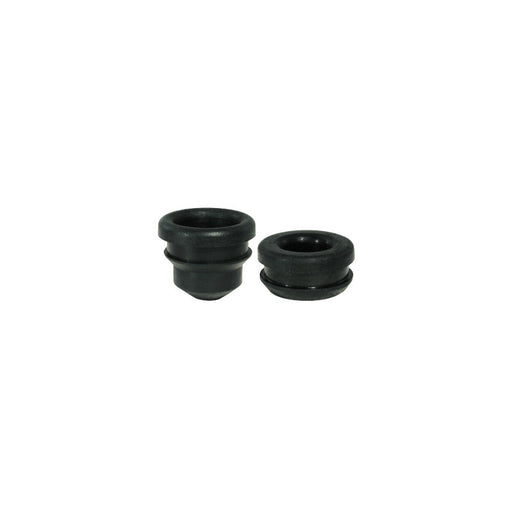
Made of pure rubber Allows oil cap to be pushed into most aftermarket and OE style valve cover/rocker cover with a 1-1/4” filler hole Comes as a p...
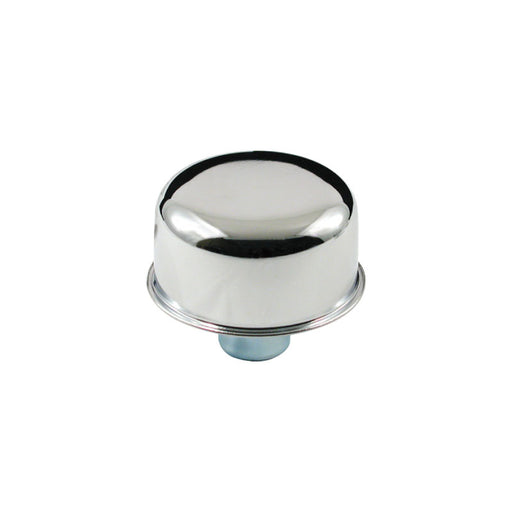
View full detailsFits most aftermarket and OE style valve/rocker covers with 1-1/4” filler hole Chrome plated Baffled
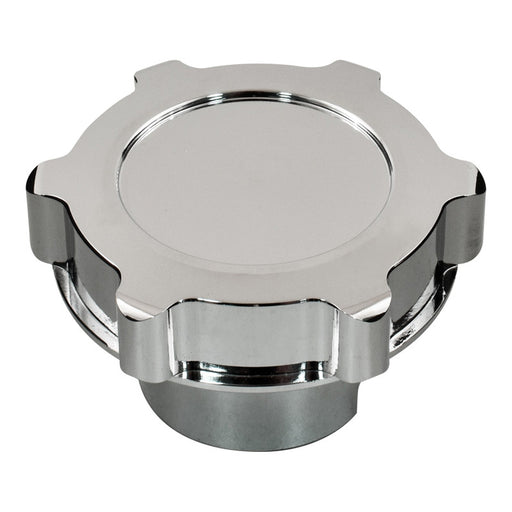
Precision machined and highly polished billet aluminium - NOT PLASTIC Includes rubber O-ring Suits LS1/LS2/LS3/LSX/L77 Holden Commodore HSV Vario...
View full detailsCast finned aluminium Polished finish Push-in design Raised fin design and rounded corners (modelled on the performance factory valve covers of th...
View full detailsBlack EDP steel Suits most aftermarket and OE style valve/rocker covers with 1-1/4” filler hole Has internal baffle to prevent oil splashing Note...
View full details